Key Takeaways
• Rendering has evolved from hand-drawn sketches to AI-driven, real-time, and immersive technologies.
• Developers now use renderings as a business tool to secure funding, accelerate approvals, and drive pre-sales.
• AI is reducing production times, real-time engines are enabling live collaboration, and VR/AR is transforming presentations into experiences.
• Cloud rendering is making visualization more scalable and collaborative across teams.
• No rendering can save a project that isn't feasible—financial viability and zoning compliance must always come first.
In today's real estate and design world, visuals sell. From glossy marketing images in brochures to immersive 3D walkthroughs that let you step inside a project before it's built, rendering in architecture has become an essential tool for both architects and developers.
But rendering hasn't always looked the way it does today. In the past, architects relied on hand-drawn perspectives and watercolor sketches to convey design intent. These illustrations were beautiful but time-consuming, and they often left much to interpretation. The shift to computer-aided design (CAD) in the late 20th century made it possible to create more precise 2D and 3D models, and from there, rendering software evolved to add lighting, textures, and realism. Today, we've reached the era of real-time rendering, photorealistic software, and even AI-powered visualization, where projects can be experienced almost like a video game or virtual tour.
This evolution shows why rendering has become so important: it's no longer just about art—it's about accuracy, communication, and persuasion. And while renderings play a critical role, they're just one step in the journey of turning an idea into a built reality.
What Is Rendering in Architecture? Why Does It Matter?
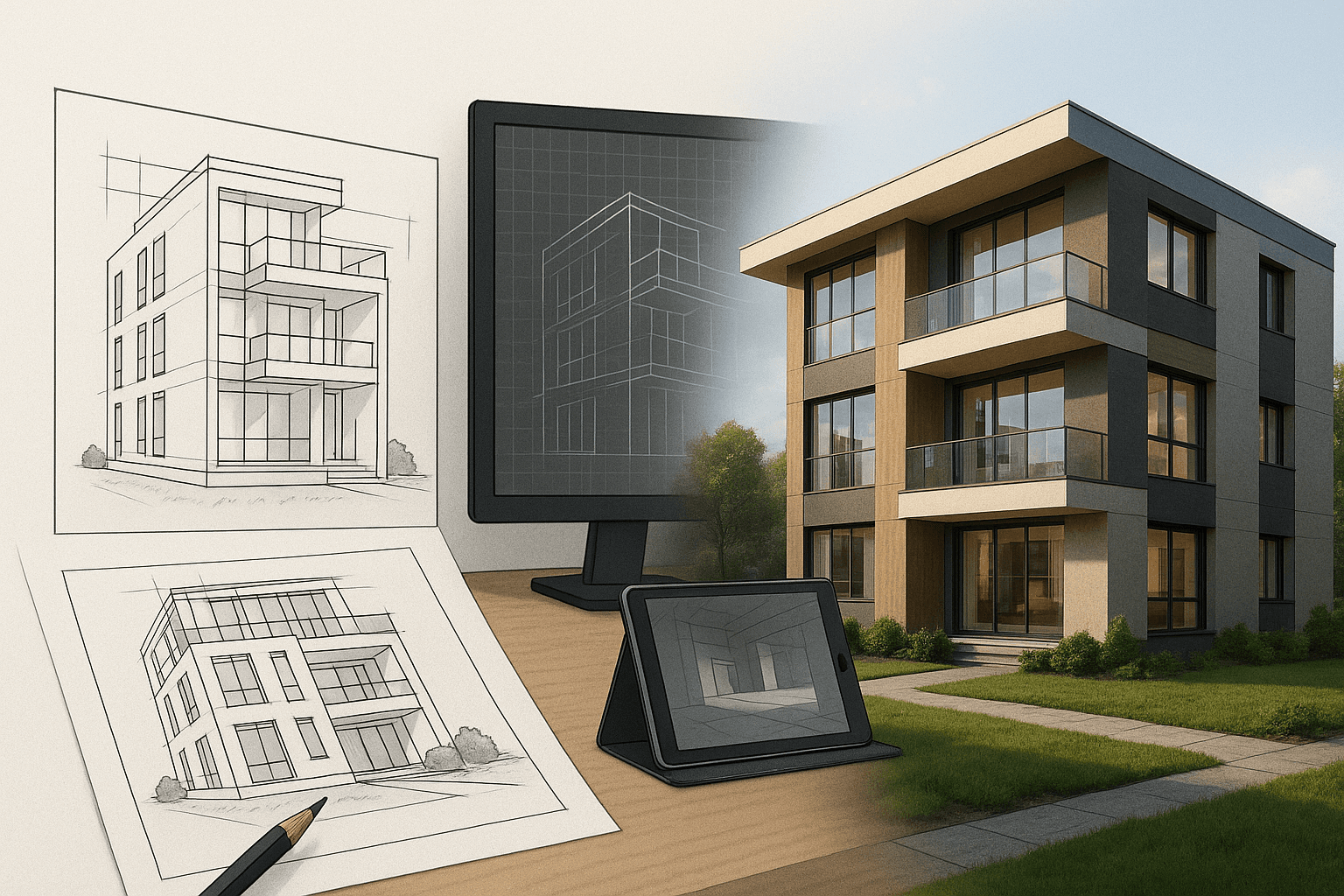
Rendering has always been about turning drawings into visuals that people can instantly understand. For architects, it clarifies design intent and helps catch potential issues before they become costly. For developers, it has become an essential business tool. A spreadsheet may prove a project's numbers, but it rarely inspires confidence on its own. Renderings bring those numbers to life in a way that persuades investors, accelerates city approvals, and drives pre-sales campaigns before construction even begins. In other words, rendering has moved beyond the design studio to play a central role in the business of real estate development.
From Basics to Business Value
At its core, rendering is the process of transforming two-dimensional drawings or three-dimensional models into realistic visualizations. These may appear as still images, flythrough animations, or immersive VR and AR experiences that let stakeholders "walk through" a space before it is built. The technology has advanced enormously from its origins in hand-drawn sketches and watercolor perspectives, which were beautiful but time-consuming and often open to interpretation. The rise of computer-aided design brought precision, and rendering software layered on lighting, materials, and realism until the results became almost indistinguishable from photography.
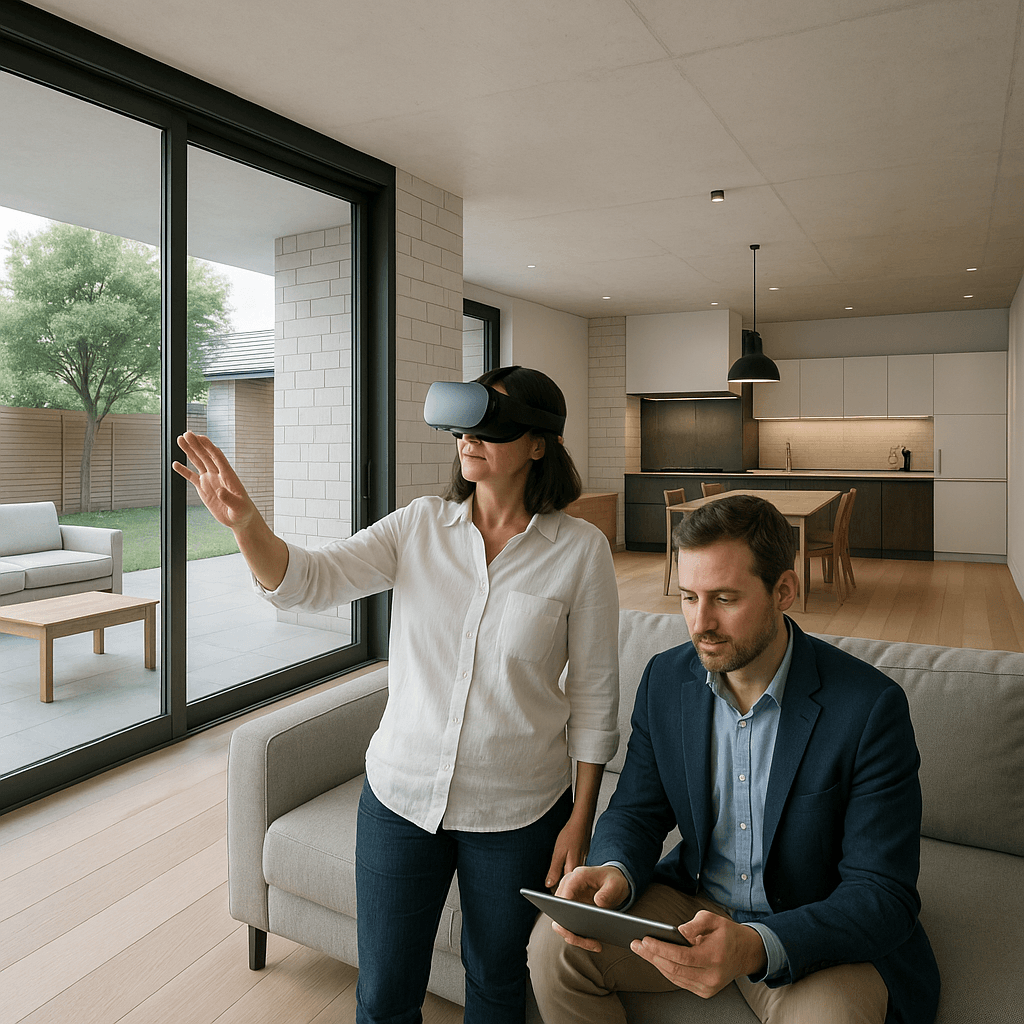
While the basics are important to understand, the real story lies in how rendering is being applied today. For developers in particular, renderings are not just attractive illustrations—they are strategic tools. They shorten deal cycles, provide clarity to decision-makers, and build confidence in projects that may be years away from completion.
The Latest Trends and Technologies
The rendering landscape is evolving quickly, shaped by advances in artificial intelligence, real-time visualization, immersive technologies, and the cloud. AI-powered rendering is perhaps the most transformative shift. By automating elements such as materials, textures, and lighting, AI reduces production times from days to minutes, allowing teams to test multiple iterations without the heavy costs of manual rendering. What once required significant resources is becoming faster, cheaper, and more accessible.
Real-time rendering is also redefining collaboration. Platforms like Lumion, Enscape, and Twinmotion allow teams to adjust layouts, lighting, and finishes live in meetings. This immediacy keeps stakeholders engaged and drastically reduces the risk of costly revisions later. Instead of waiting days for a single updated image, decision-makers can see changes happen in real time, which accelerates approvals and maintains project momentum.
Immersive technologies are taking visualization one step further. Virtual reality and augmented reality presentations give investors, city officials, and potential tenants the chance to experience a project as though it were already built. Rather than flipping through a deck of images, stakeholders can walk through a lobby, explore an apartment, or stand on a rooftop terrace, gaining a level of confidence that static visuals alone cannot deliver.
Cloud rendering is another trend gaining traction, particularly for large or complex projects. By moving rendering processes off local machines and into the cloud, firms can collaborate across geographies and scale visualization without being constrained by hardware. This not only improves efficiency but also democratizes access, allowing more players in the development process to engage with high-quality visuals.
How Developers Are Applying Rendering
These technologies are not theoretical—they are being applied today in ways that are reshaping the development process. When raising capital, developers rely on photorealistic visuals to make investor presentations more persuasive and credible. During the approval process, renderings help city boards and community stakeholders understand the scale and impact of a project, smoothing what can often be a contentious process. Marketing teams leverage these visuals to launch pre-sales and leasing campaigns earlier, giving buyers and tenants confidence in projects that may still be months or years from completion. Even beyond approvals and sales, renderings underpin branding and marketing campaigns, appearing in brochures, websites, and billboards that define a project's identity before ground is broken.
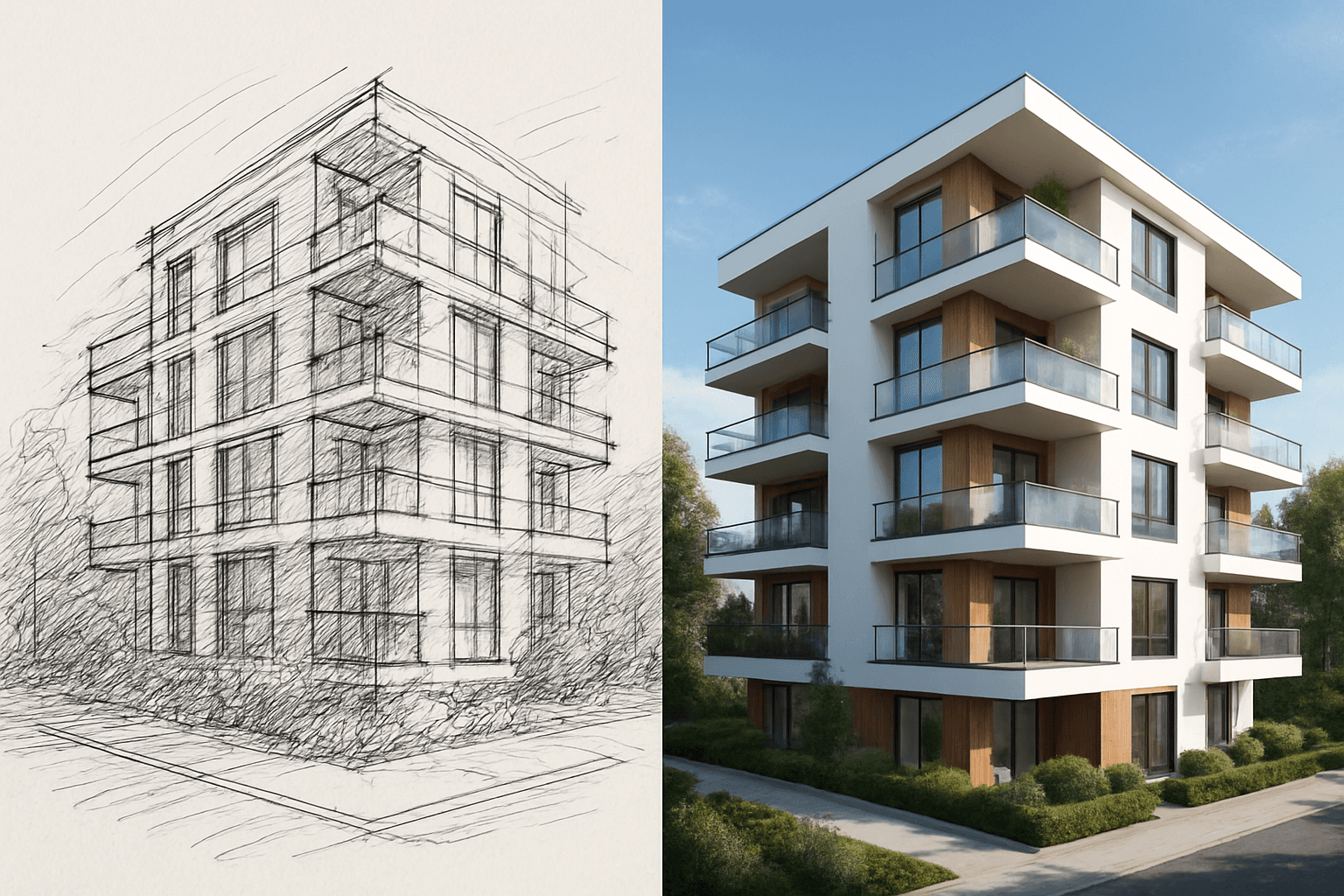
By integrating rendering into each of these stages, developers are shortening timelines, reducing risk, and creating a clearer path from vision to reality. What once might have been considered a purely architectural or artistic function has become a cornerstone of business strategy in real estate development.
The Future of Rendering
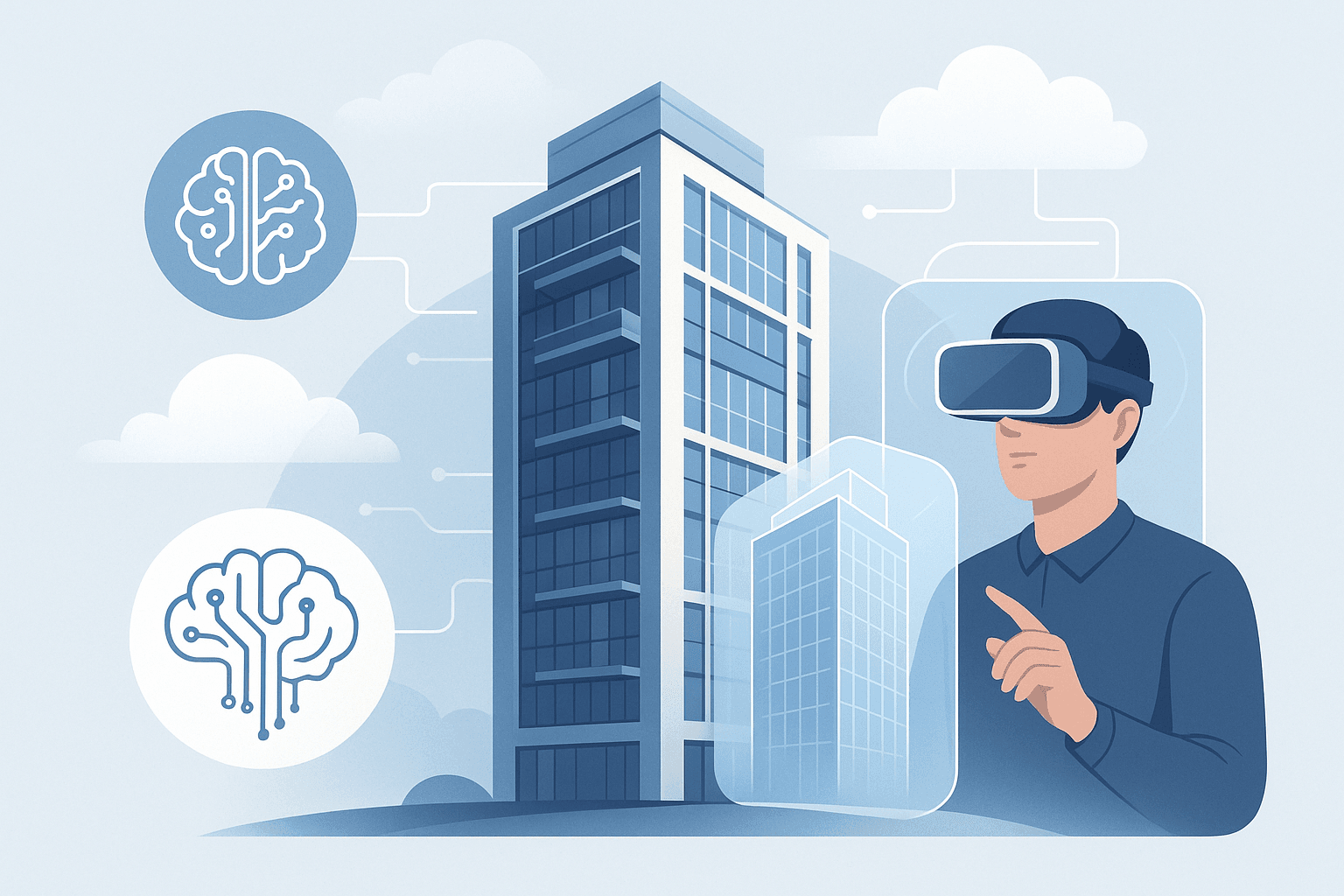
Looking ahead, the role of rendering will only expand as technology advances. Artificial intelligence will continue to cut costs and accelerate workflows, enabling even small teams to produce high-quality visuals quickly. Real-time rendering will become a standard expectation, with live design sessions replacing static presentations. Virtual and augmented reality will further enhance stakeholder engagement, making it possible to market and fund projects with unprecedented immersion. Cloud rendering will make these tools more scalable and accessible, ensuring that collaboration can happen seamlessly across distributed teams.
For developers, these innovations translate into faster decision-making, stronger investor confidence, and fewer costly mistakes. Yet one principle will remain unchanged: no rendering, no matter how impressive, can make up for a project that is not feasible. The most beautiful image in the world cannot rescue a plan that fails financially or does not comply with zoning.
Where Zenerate Fits
This is why Zenerate emphasizes feasibility before rendering. We are not a rendering platform—we are the step that comes before it. Our technology automates feasibility studies, density tests, and financial analysis so that when developers invest in visualization, they are doing so for projects that actually work. Once feasibility is confirmed, renderings can then take over to persuade, inspire, and sell with confidence.
Looking ahead, AI rendering is a natural extension of this process. We are exploring ways to integrate AI-driven rendering in the near future to create a seamless path from feasibility to visualization, helping developers move from "can we build it?" to "how will it look?" faster than ever before.
The Bottom Line
Rendering transforms ideas into experiences and has become one of the most powerful tools for architects and developers alike. It communicates design intent, secures funding, accelerates approvals, and builds excitement in the market. But its value depends on a foundation of financial and zoning feasibility. With Zenerate ensuring that foundation is strong, renderings can achieve their true purpose: bringing visions to life and turning concepts into compelling realities.
Explore What Zenerate Can Do
Ready to accelerate your feasibility studies? Book a demo with us today and get a free trial to see how fast site planning can be done.
Book a demo + Get a Free Trial