Architecture is more than buildings. It is about shaping the environments where people live, work, and connect with each other. Yet the inclusivity of those spaces often reflects the perspectives of the people who designed them. If the design team is not diverse, the result is often a narrow interpretation of what a community truly needs.
Diversity in architecture isn't just a social value—it's a design imperative. When more voices are represented at the table, projects become more responsive to culture, context, and community. A transit hub designed with input from people of different ages, mobility needs, and backgrounds functions better for everyone. A housing development shaped by a team that understands varied lifestyles and family structures feels more welcoming and adaptable.

The Risk of Homogeneity
The architecture profession has historically struggled with representation. Leadership remains largely homogenous, and pathways into the field have not always been accessible to underrepresented groups. For decades, women, minorities, and people from lower-income backgrounds have faced higher barriers to entry—whether through education, networking opportunities, or career advancement.
This lack of representation is not just a workforce issue—it directly shapes the cities we live in. When teams approach projects from a narrow perspective, blind spots emerge. Communities may feel overlooked, design choices may unintentionally exclude, and opportunities for innovation are missed.
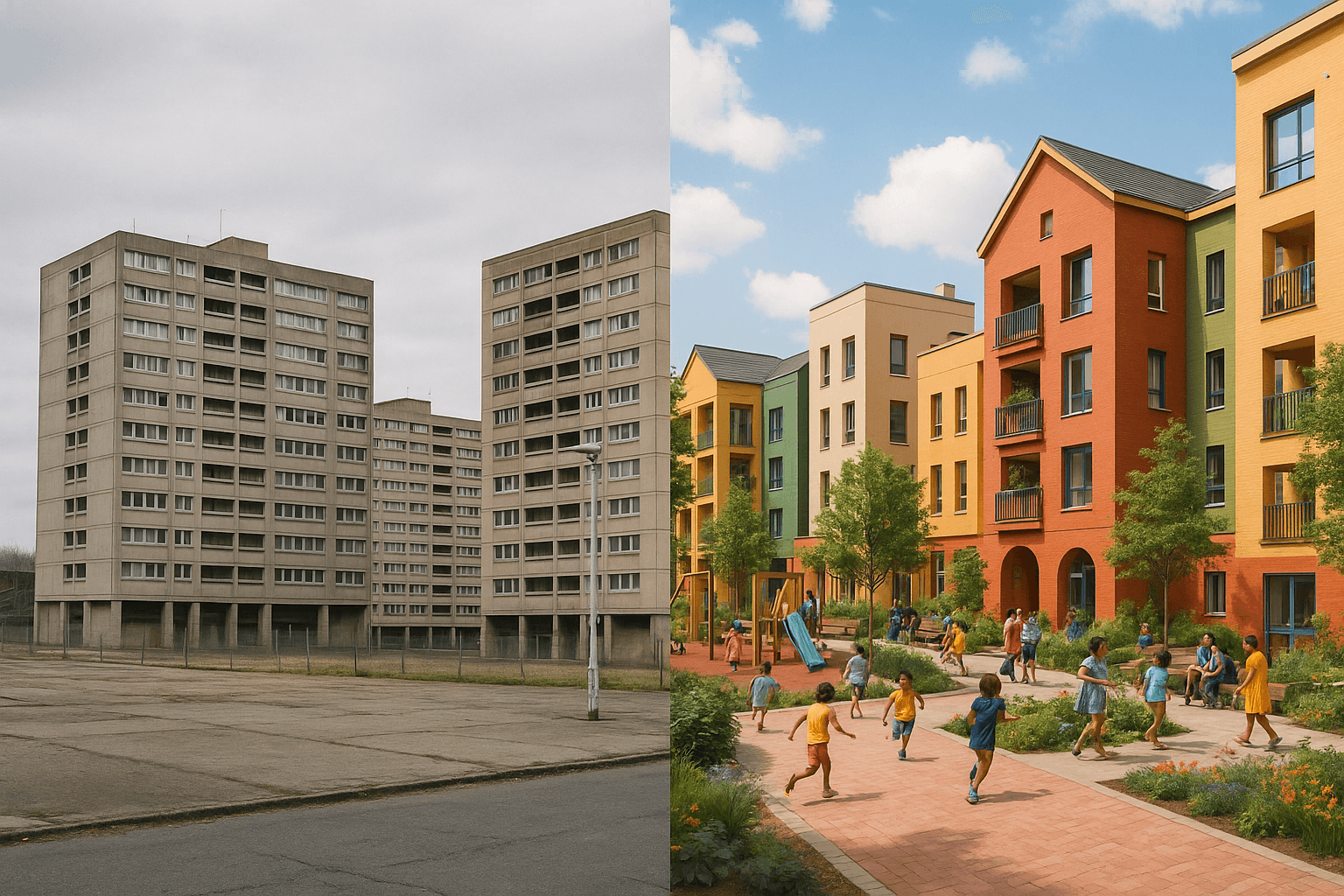
Examples of this can be seen in public housing projects of the mid-20th century. Many were designed by teams that did not reflect the communities they served, resulting in developments that felt sterile, isolating, and disconnected from residents' cultural or social practices. These lessons remind us that the makeup of the design team has lasting consequences.
Inclusion as a Design Advantage
The value of diversity is not abstract—it shows up in the built environment. Consider how inclusive teams influence outcomes:
• Accessibility. Designs shaped by people with varied mobility needs tend to serve broader populations. Universal design standards, for example, often arose from lived experiences of people with disabilities.
• Cultural relevance. Spaces reflect local traditions and social practices more authentically when multiple perspectives are involved. From food courts designed with cultural cuisines in mind to housing layouts that reflect multi-generational living, diversity leads to relevance.
• Resilience. Diverse teams anticipate a wider range of scenarios, making designs more adaptable over time. Climate-responsive design, for instance, often emerges from communities most affected by environmental stress.
In this way, diversity is not simply a matter of fairness—it is a competitive advantage. Firms that embrace it deliver projects that work better for more people.
A Shifting Industry Landscape
The conversation around diversity is also being shaped by new pressures. Cities are becoming more multicultural, more connected, and more complex. At the same time, projects face tighter budgets, stricter zoning, and faster timelines. Meeting these challenges requires creativity informed by a variety of lived experiences.
We see leading firms respond by building multidisciplinary teams that combine architecture, sociology, urban planning, and community engagement. Others are rethinking recruitment pipelines, creating scholarships, and opening mentorship programs to ensure that the next generation of architects looks more like the communities they will serve.
This shift isn't just happening in design—it's being demanded by clients. Investors, municipalities, and the people who will ultimately live and work in these spaces are asking tougher questions about inclusivity and representation. In competitive bidding, the firms that can demonstrate diverse perspectives often stand out.
Technology as an Enabler
One of the barriers to greater diversity in architecture has been access. Traditional feasibility studies demand time, capital, and specialized resources—factors that often limit participation to large, established firms. Smaller firms and emerging voices may struggle to compete, even when they bring fresh ideas and perspectives.
Technology can help change that equation. By automating feasibility and reducing costs, AI-driven tools democratize access to critical early-stage insights. More people can participate in the process, and more voices can influence decisions before projects are locked in.
For example, instead of waiting weeks for a consultant to deliver a single scenario, a small firm can generate multiple feasibility options instantly. This levels the playing field, giving emerging teams the ability to test bold ideas and bring them to the table with the same authority as larger firms.
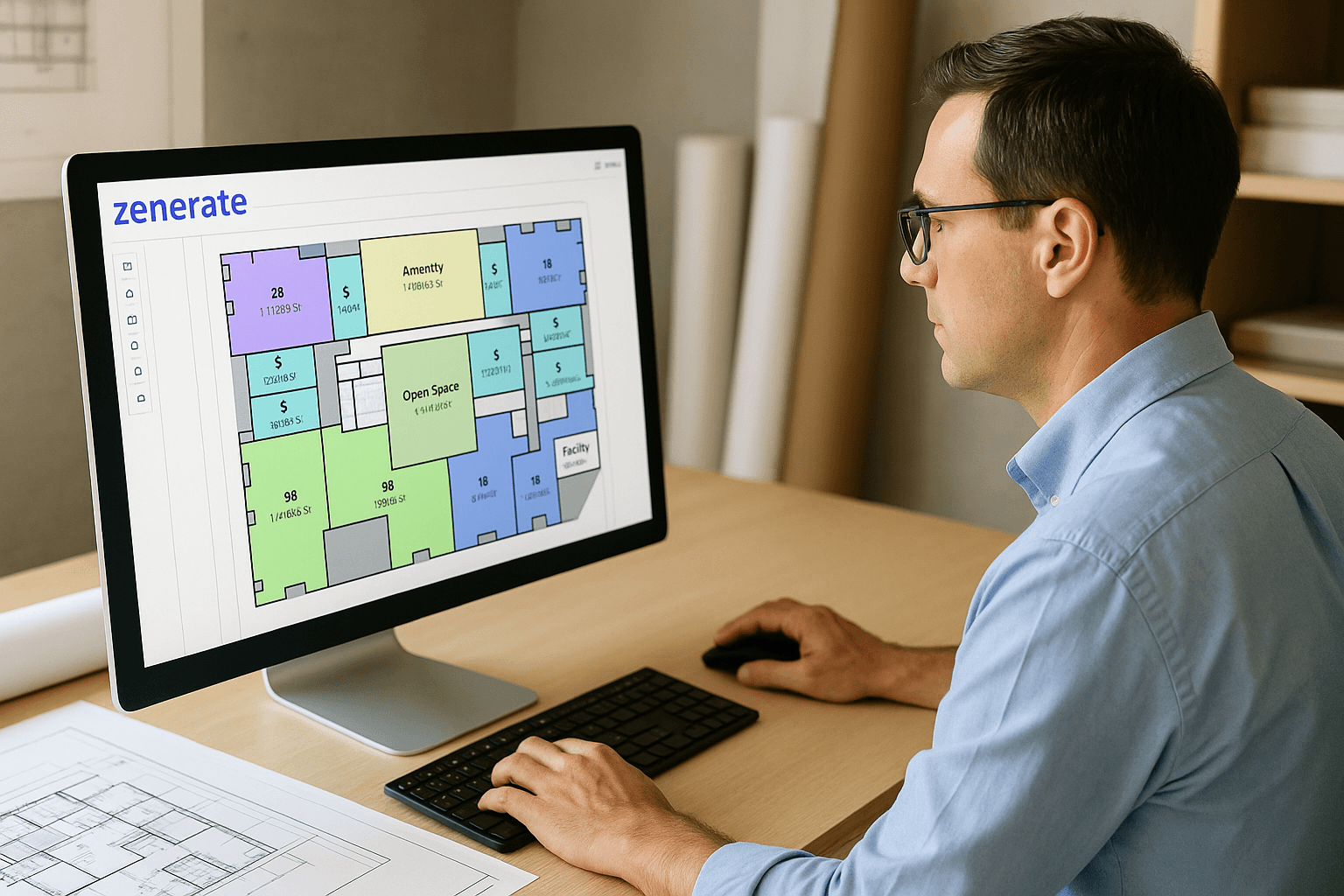
At Zenerate, this is core to our mission. Our platform is designed not just to save time, but to open doors—helping architects, developers, and communities explore more options, faster, and with fewer barriers. By shifting feasibility from a bottleneck to a catalyst, we create space for more inclusive voices to shape projects from the very start.
Building Cities for Everyone
The question of who gets to design our cities is not trivial—it determines whose needs are prioritized, whose voices are heard, and whose communities are represented. Designing for everyone starts with who's at the table. The more inclusive that table becomes, the stronger and more resilient our built environment will be.
Diversity brings new ideas, challenges old assumptions, and ensures that spaces serve the full spectrum of the communities they are meant to support. It is both a moral imperative and a business advantage. With technology breaking down old barriers, there has never been a better time to expand the circle of voices involved in design and development.
The cities of tomorrow will not be defined only by glass towers or master plans. They will be defined by whether they reflect the richness of the communities they serve and that begins not with the blueprint, but with the team holding the pen.
Explore What Zenerate Can Do
At Zenerate, we believe inclusion starts with lowering barriers to entry. That's why our platform makes feasibility faster, easier, and more accessible—so more voices can help shape the cities of tomorrow. Ready to see how? Book a demo and explore a free trial today.
Book a demo + Get a Free Trial